

Archive pack
Archive pack brings older campaign files, reference prints and visual notes together for easier brand and production access.
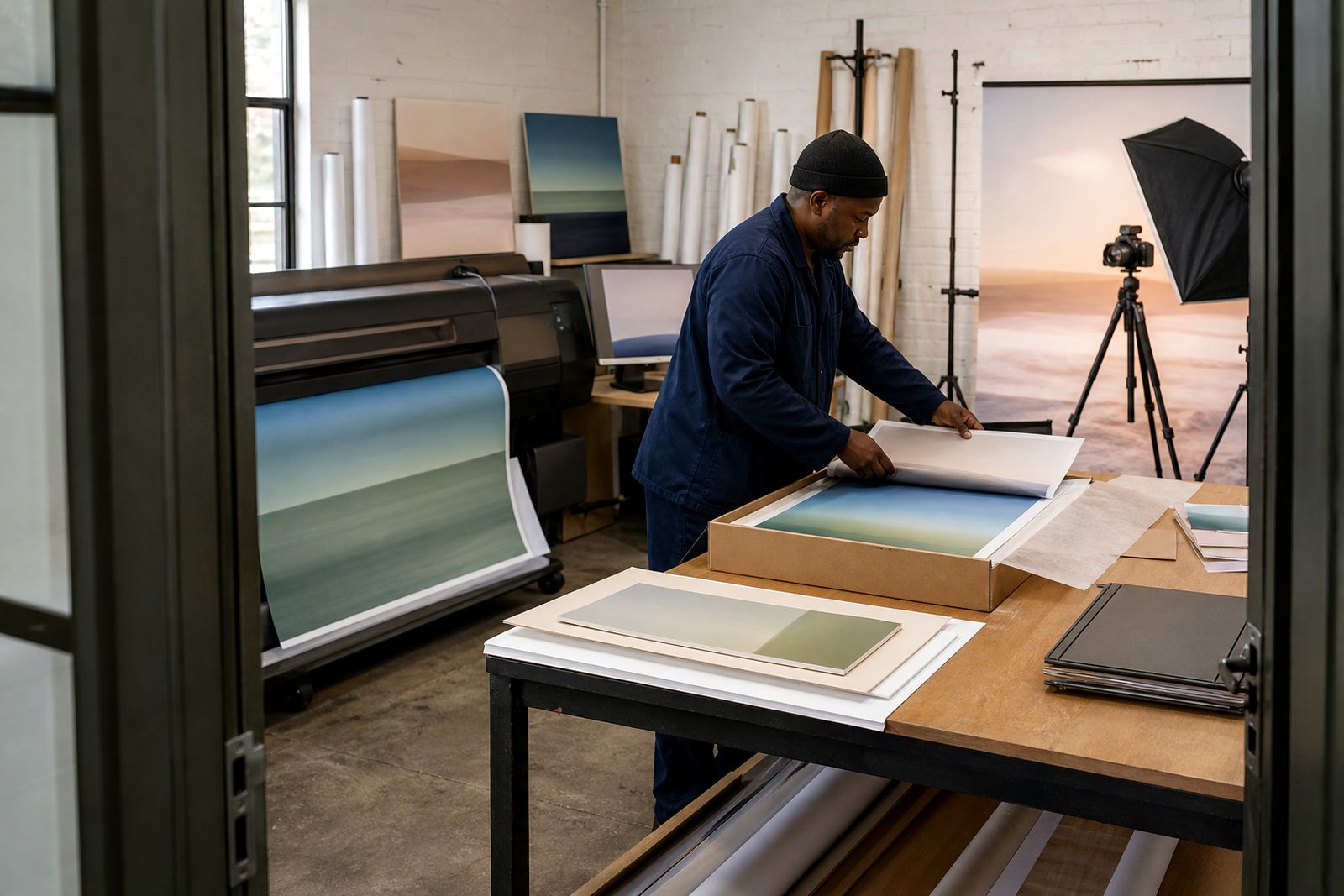
Past campaign files in one set
Archive pack brings older campaign files, reference prints, and visual notes into one usable set for your team. It helps brand managers and print buyers keep approved artwork, past versions, and production details together when planning the next visual pack.
Older jobs often sit across email chains, hard drives, and sample shelves, which slows the next round of print. Archive pack pulls those pieces together with version dates, reference prints, and production notes so a Johannesburg office, a Durban printer, and a Cape Town retail team are looking at the same history. That matters when colours shifted between runs or a store pack was trimmed differently for a later campaign.
Include the first approved print and the final used file, not only the latest export. A marked sample, size note, or paper detail can explain why one run worked in store and another did not. Those records are useful when older visuals need a quick refresh instead of a full rebuild.
What sits inside the archive
A typical set can hold artwork versions, visual references, print specs, sign-off notes, and selected hard-copy samples. Teams use it to check past dimensions, confirm finishing choices, and see which visual was actually approved for rollout. That makes handover easier when buyers, designers, and print suppliers were not all on the original campaign.
Link archive pack to any matching image records, sample prints, and store feedback before requesting a rerun. Review the final pack contents against the last approved visual kit, then send missing details through the contact form.
- Approved files grouped with past samples
- Version notes kept beside print references
Checks for South African rollouts
Archive records need to reflect how work moved through actual branches, printers, and approval points. A mall campaign may have one version for national use and another adjusted for regional stock, fixture sizes, or landlord rules. Keeping those differences in the pack helps when a brand revisits old artwork for a new promotion.
Physical samples matter in local conditions. Coastal humidity can affect stored paper pieces, while inland dust can change how archived mock-ups present in photography or review meetings. If a print run was changed because of load-shedding, stock availability, or courier timing, that note belongs in the file set as well.
What to send for archiving
Start with the used artwork, any superseded versions, and photos of the final installed or printed item. Add sign-off emails, size lists, substrate details, and notes on what was corrected during production. That gives the next team a usable record instead of a folder full of unnamed exports.
Record the approval date and keep it with the source files, print spec, and sample images. When a buyer asks which version went to print, the pack should show the change trail, not only the finished PDF.
Related pages
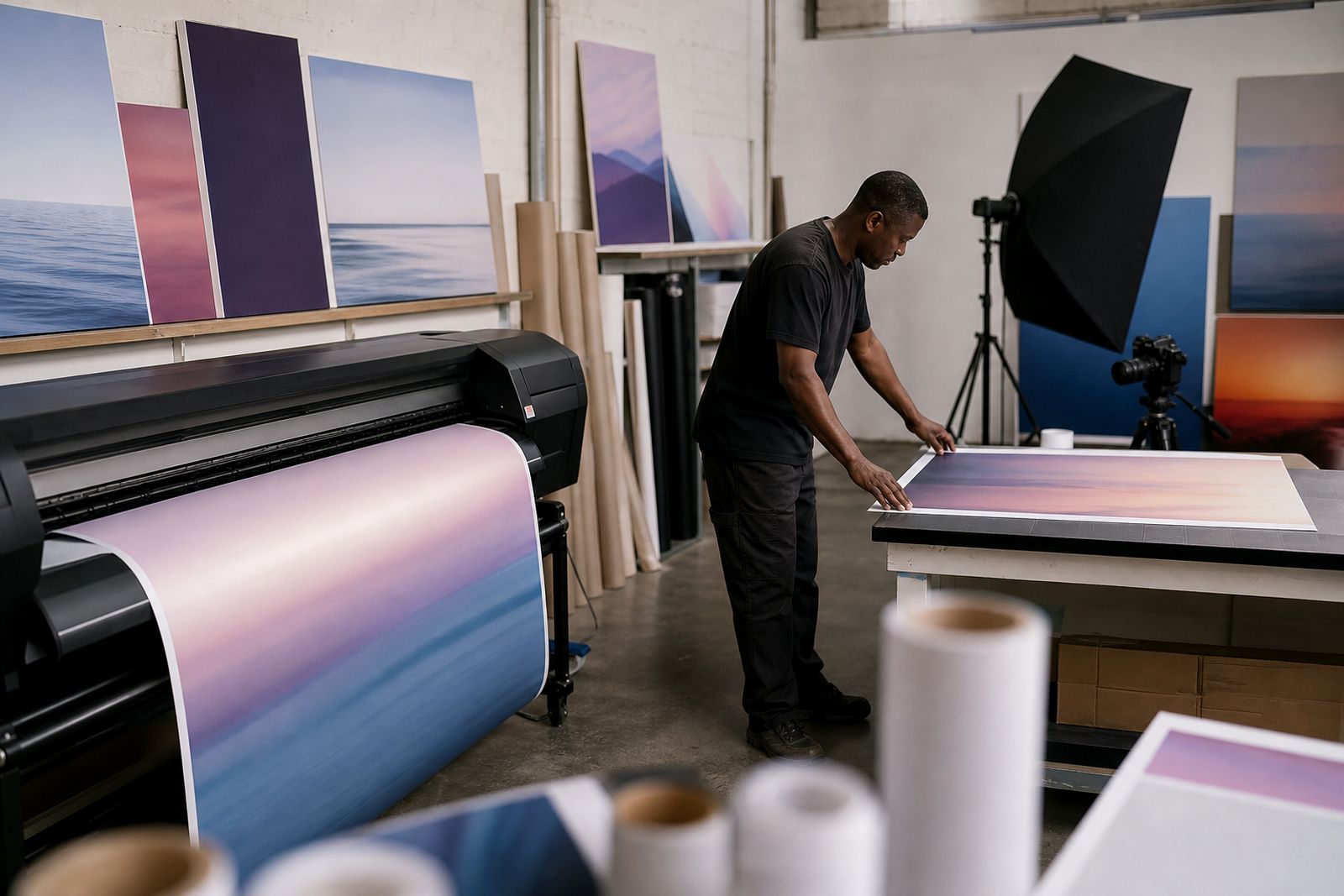
Archive pack specs
Archive pack specs cover storage details, labels and supporting file information for keeping artwork, references and notes in order.
Read more
Banner set planning
Plan a banner set with clear sizes, artwork versions and site use so the printed banners stay consistent across the campaign.
Read more
Canvas set planning
Plan a canvas set with matching artwork, sizing and finish details so the full group prints consistently and hangs well.
Read moreWhat our Imaging and Print customers say
Verified Google reviews
Tell us about your image job
Send a note through our contact form with what the images are for, the print sizes or channels, the media and finish you have in mind, how many pieces and your area, and we will come back with practical options and a quote.
Open the contact form