

Banner set planning
Banner set planning helps teams group banner artwork, sizes and site use into one consistent print job.
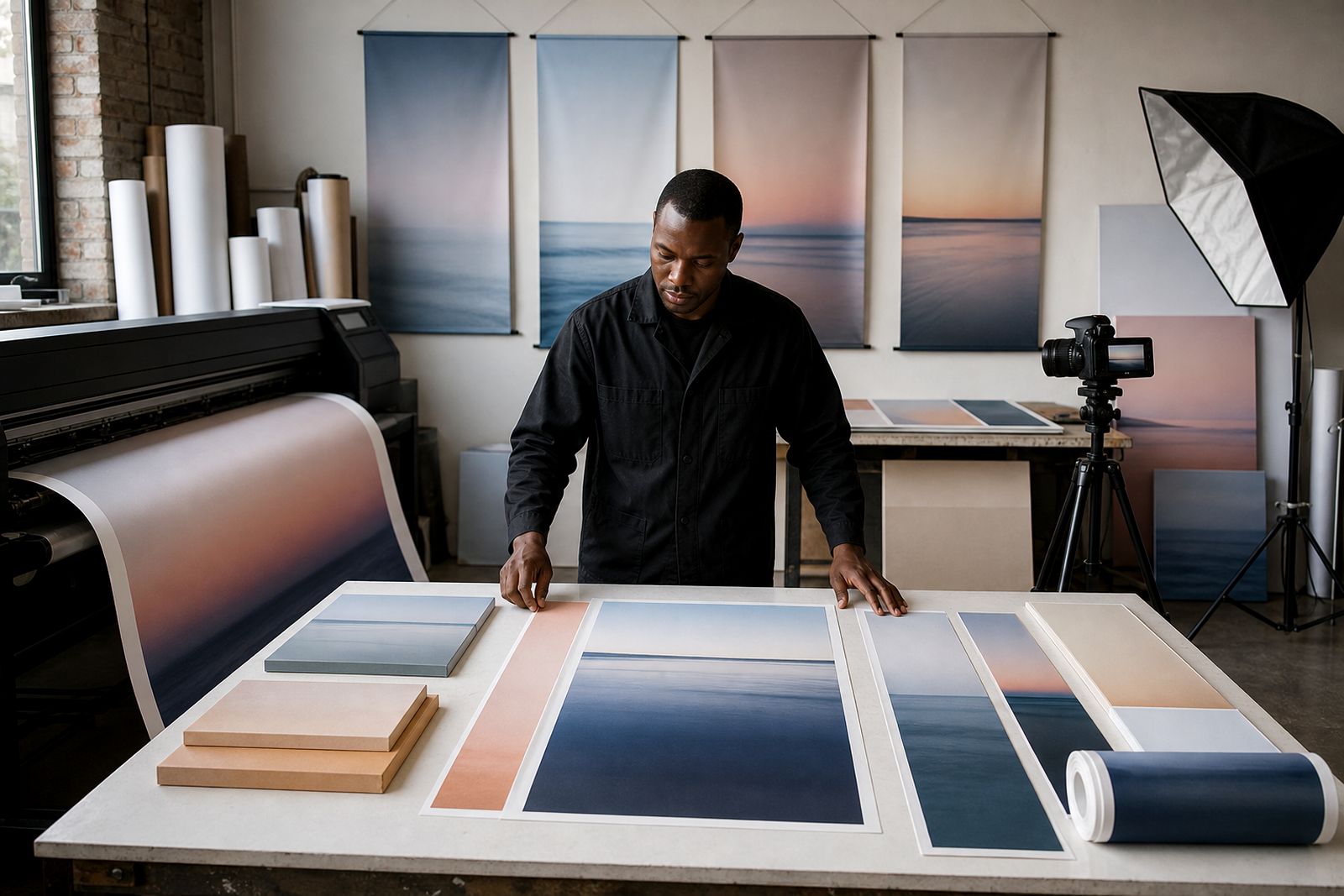
Banner sizes, sites, and stock
Banner set planning is for campaigns that need grouped banner graphics prepared as one consistent pack. It helps teams plan sizes, artwork versions and site use before printing starts.
A banner set starts with the live display points, not just the artwork. Pole banners, fence mesh, pull-up units, PVC hangs and fabric systems each need different size lists, bleed, finishing and fixing notes. Wind on open forecourts, sea air near Durban, and dusty roadside placements inland all affect material choice and print handling.
The first site photo does more than show position. It helps map viewing distance, nearby lighting, frame type and any obstructions before versions are prepared. That record is useful later when a reprint is needed or one branch is using a different hardware setup.
What sits inside the pack
The pack groups banner artwork by format, location and version so print can read it without guesswork. It can include a size schedule, visible area notes, finishing requirements, and a check against the frame or hanging method on site. One organised set is easier to hand from marketing to print buyer to installer.
Before release, match each banner file to its exact use point and hardware note. Check hems, eyelets, pockets, safe margins and readable text sizes against the selected stock and print method. Banner set orders need a photo of the pole, rail or wall where the banners will hang.
- Grouped artwork by banner format
- Site photo checked against frame type
SA display conditions to note
Banner work often crosses shopping centres, roadside sites, event grounds and dealer networks, so access rules matter. East Rand freight timing, Sunnyrock dispatch routines, Crown Mines production movement, and smaller Gauteng trading hours can change when printed sets move out. Long-distance courier handling also affects how tightly rolled graphics should be packed and labelled.
Coastal storage can soften some materials and curl unsupported prints if they are left badly packed. Highveld dust shows quickly on light backgrounds and can mark a sample before approval photos are taken. During load-shedding periods, proof review and print scheduling should be logged clearly against the correct version.
Brief details that prevent reprints
Send widths, drops, quantities, branch lists and the intended hardware for each banner position. Add site photos, brand rules, language versions and any date that is printed on the graphic itself. If one design must scale across several formats, note which message takes priority at distance.
Keep the approved size list with the final artwork files, print-ready PDFs and any installer notes. Record who signed off each version, what stock was selected, and where the banner will be used. That paper trail helps when buyers compare quotes or when one store requests a repeat of a previous set.
Related pages
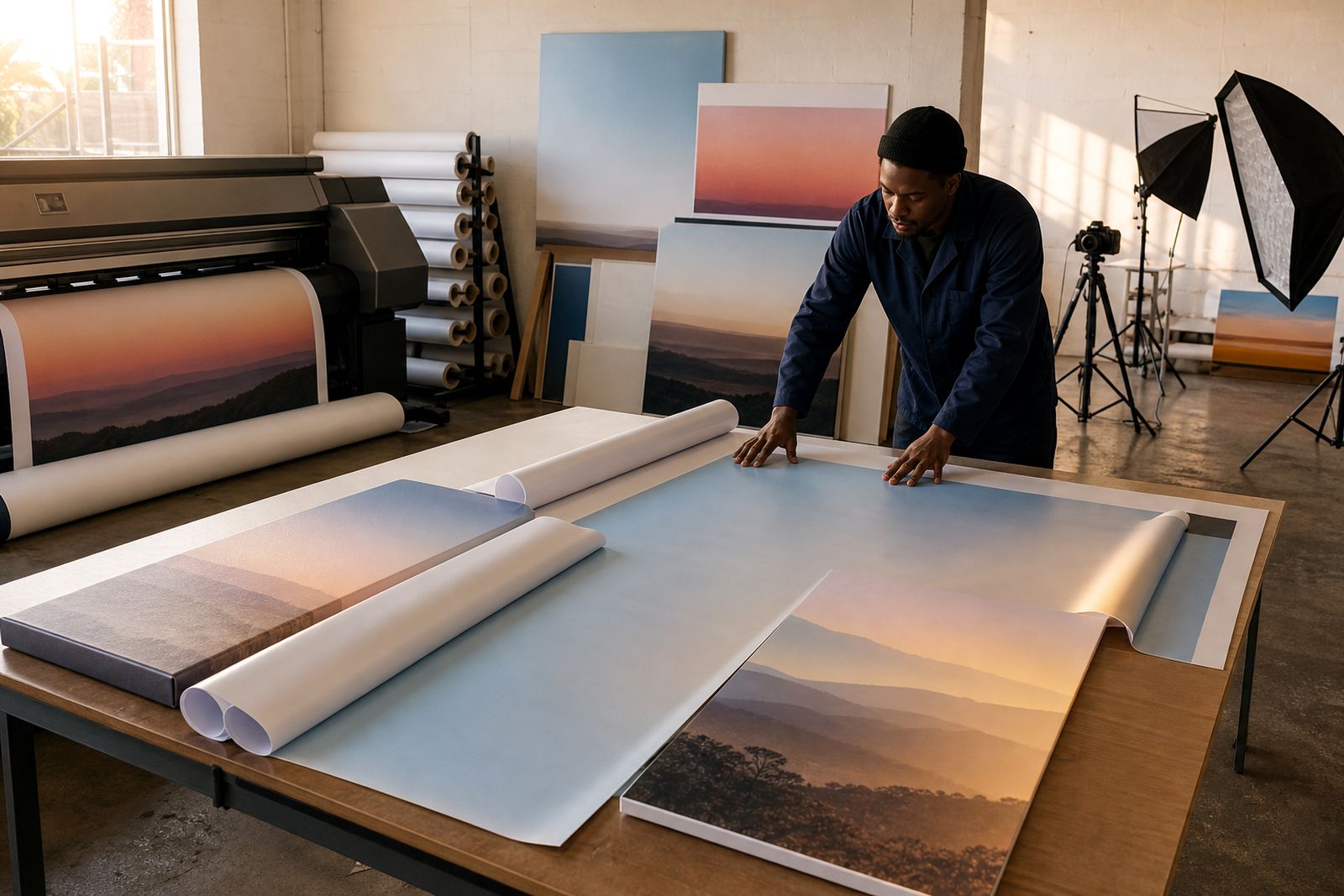
Banner set specs
Banner set specs set out finished size, visible area, substrate choice, finishing and installation details for print approval.
Read more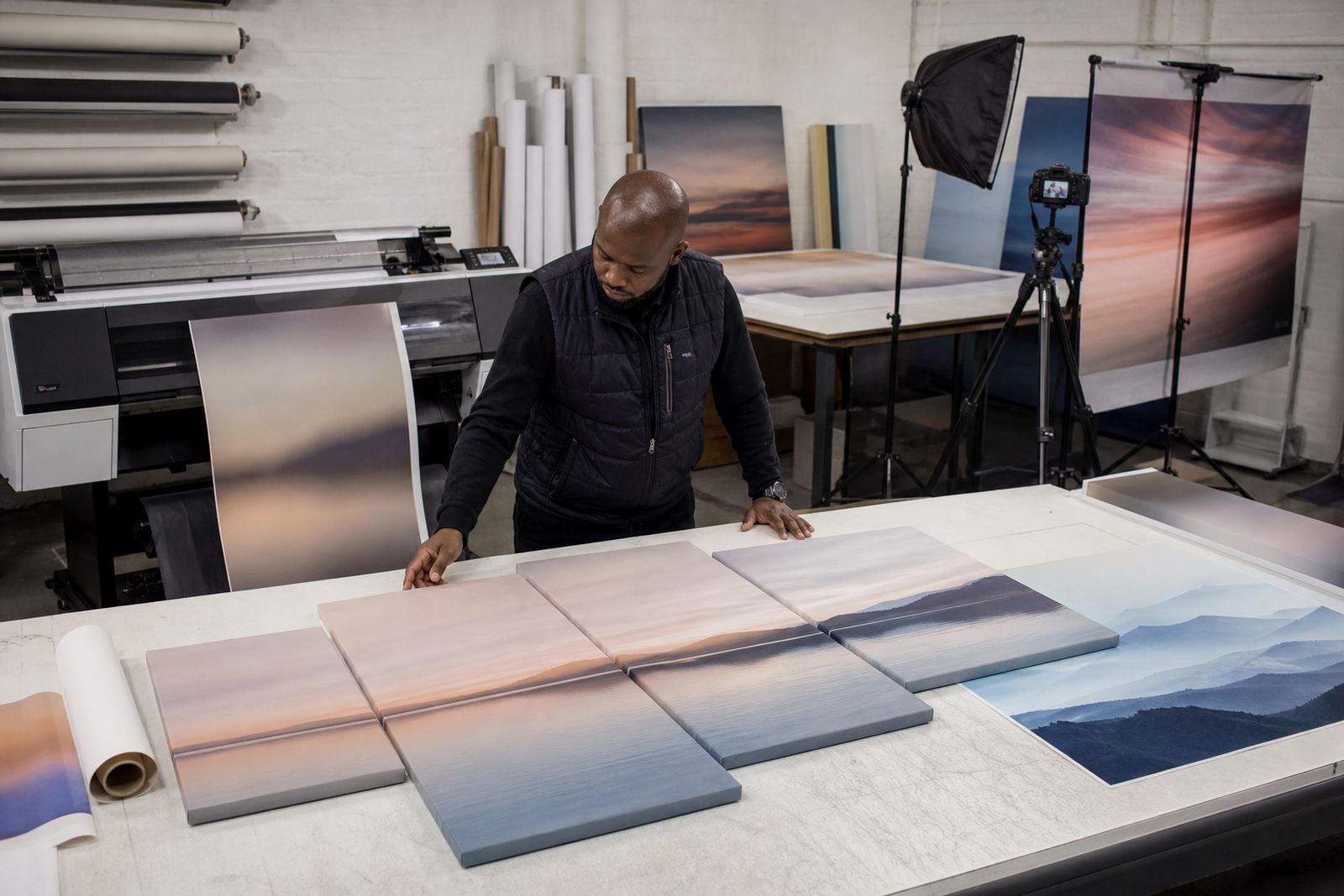
Canvas set planning
Plan a canvas set with matching artwork, sizing and finish details so the full group prints consistently and hangs well.
Read more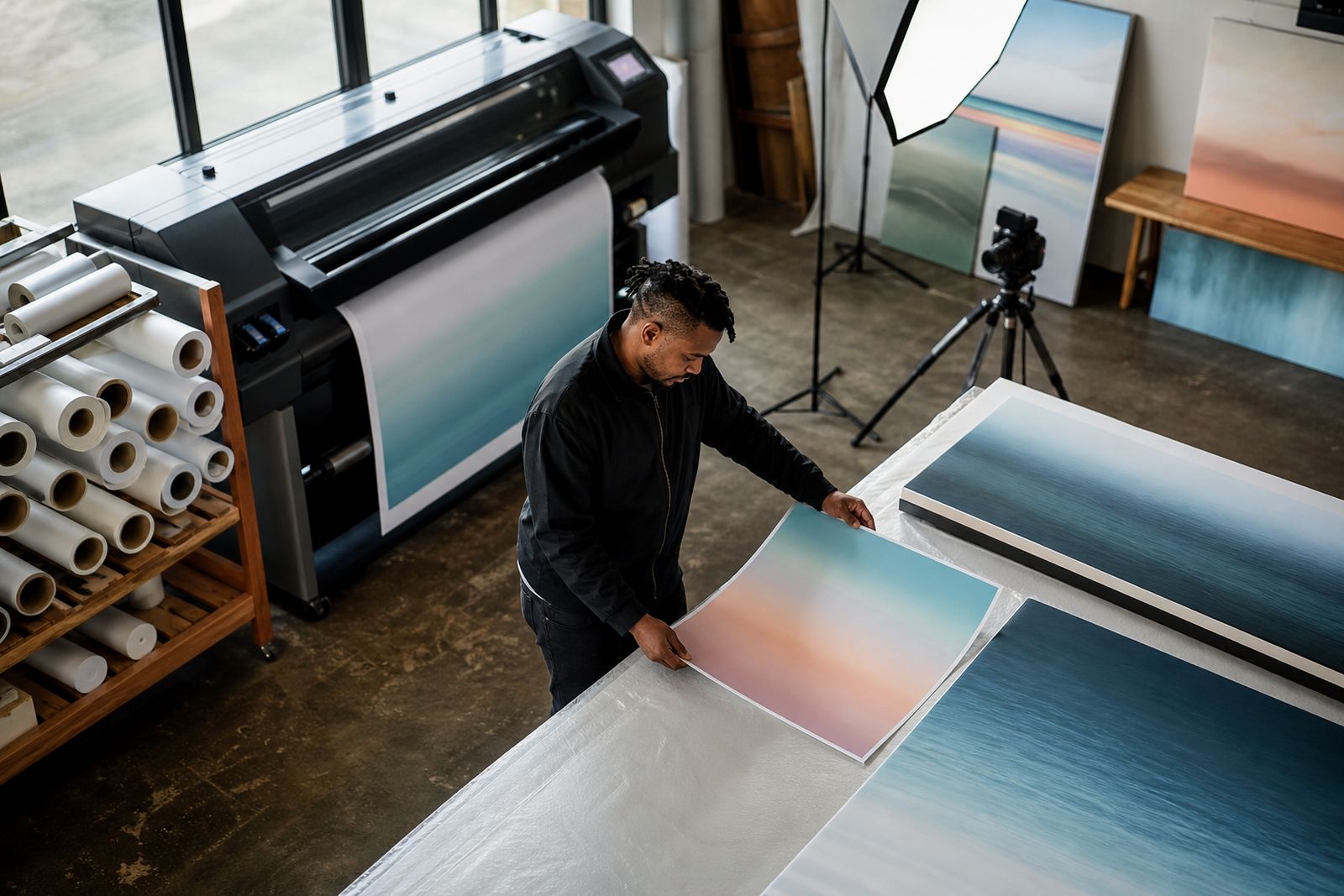
Coastal pack
Coastal pack deals with the salt-air, handling, and storage issues that usually appear after the first straightforward rollout.
Read moreWhat our Imaging and Print customers say
Verified Google reviews
Tell us about your image job
Send a note through our contact form with what the images are for, the print sizes or channels, the media and finish you have in mind, how many pieces and your area, and we will come back with practical options and a quote.
Open the contact form