

Photo day pack
Photo day pack planning helps line up people, products and shot priorities so the shoot produces useful images on site or at location.
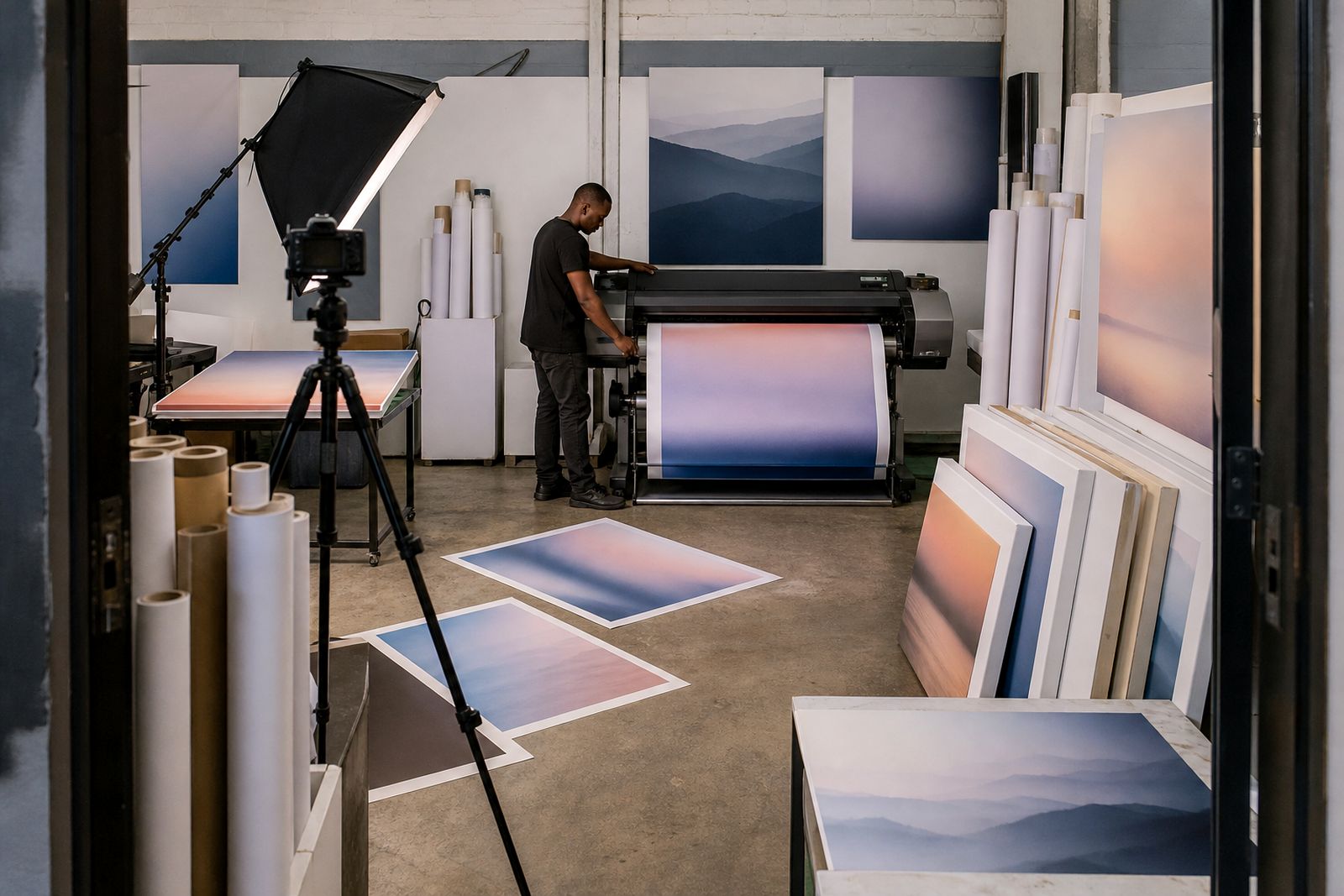
Site shoot planning that holds up
Photo day pack is built for organised shoots on site or at a set location. It helps teams line up products, people, and shot priorities so the day produces usable images for print and digital work.
Photo day pack starts with a shot list tied to the pack, product range, or team portraits needed for use after the shoot. Outdoor locations in Gauteng, KwaZulu-Natal, and the Western Cape need different timing for light, dust, wind, and traffic access. Stock, props, uniforms, and branding pieces should be counted before cameras are unpacked.
Begin with one approved setup that shows framing, lighting, and styling exactly as required. That reference image helps when more units, more staff, or a second location must match the first set. Keep it with the brief, item codes, and contact names for the people on site.
Outputs from a proper photo day
The day should produce a usable image set, a record of what was shot, and notes on any missing items or reshoots. Teams can then move into print packs, catalogues, social posts, or internal brand use without guessing which files are correct. Clear naming by product, person, or area matters once the images reach design and print.
Before booking wider coverage, map the must-have images against the packs, frames, or product pages they support. Check garments, labels, surfaces, and sample condition again before the first round starts. Photo-day packs are planned around the venue and the shoot date, which are the first two things we confirm.
- Shot list matched to live brand use
- Reference setup approved before full shooting
- Contact kept with the job record
Conditions that change the shoot day
Access times, security sign-in, and trading hours often shape the sequence more than the creative brief does. A factory, clinic, retail site, or warehouse needs its own plan for people movement, noise, and usable backgrounds. Existing brand files, previous image sets, and current print specs should be brought into the prep from the start.
Along the coast, salt in the air can mark acrylic, chrome, and gloss surfaces before the camera comes out. On inland sites, dust settles fast on shelving, samples, and light fittings, so a wipe-down check matters before each setup. Load-shedding also affects charging, screen checks, and when teams can review selects on location.
What to send before shooting
Send site photos, required image types, timing, and the exact products or people that must appear. Include branding rules, wardrobe notes, and any angles that are not acceptable. Parking, loading access, and permit requirements help shape the running order on the day.
Record approvals, file names, and any substitutions while the team is still on location. Add that sheet to the brief, source images, and print references when marketing or procurement asks what was captured. One complete job record prevents confusion when a later print pack pulls from the same shoot.
Related pages
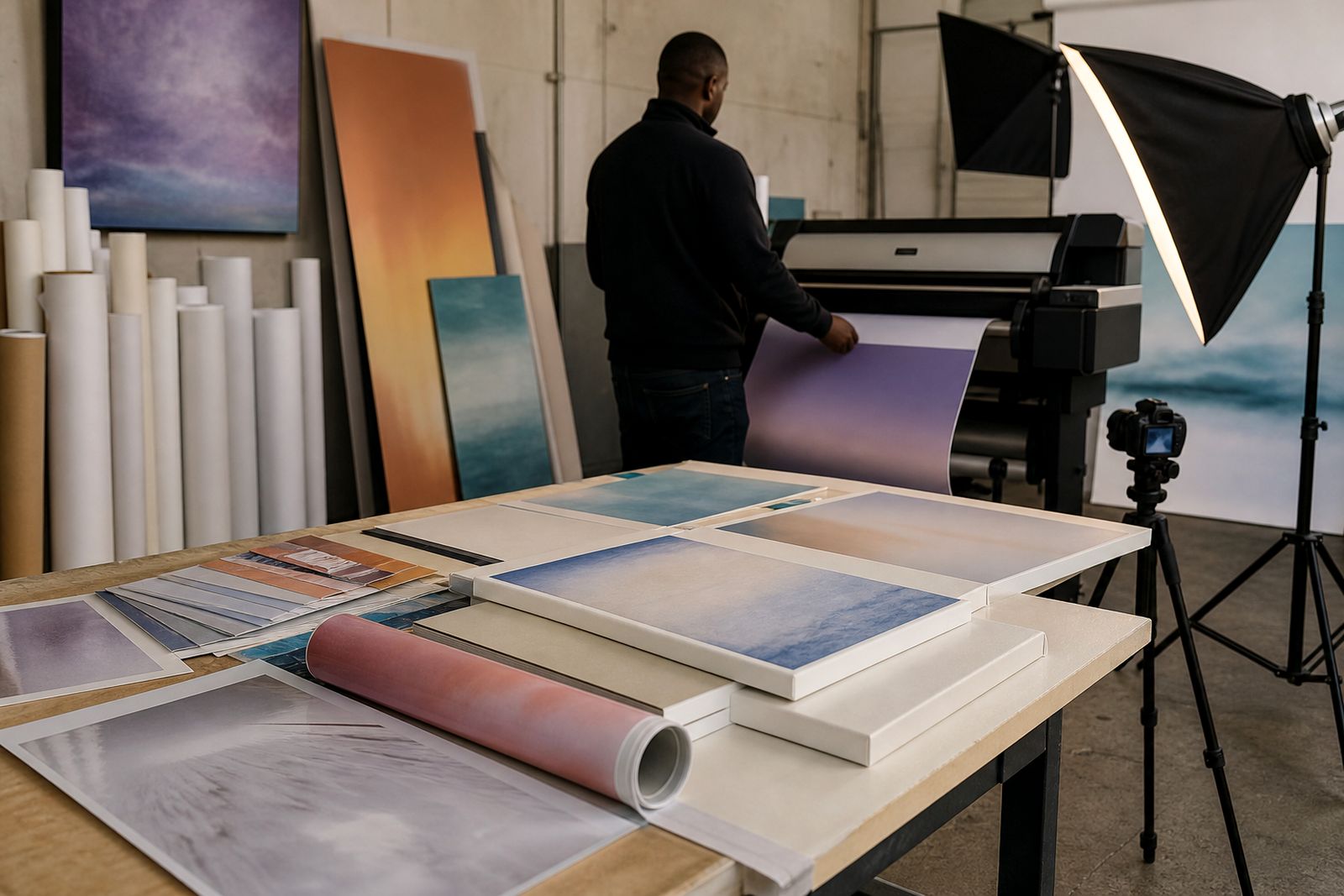
Photo day pack specs
Photo day pack specs confirm shoot scope, location needs, image use and supporting visuals before the scheduled session begins.
Read more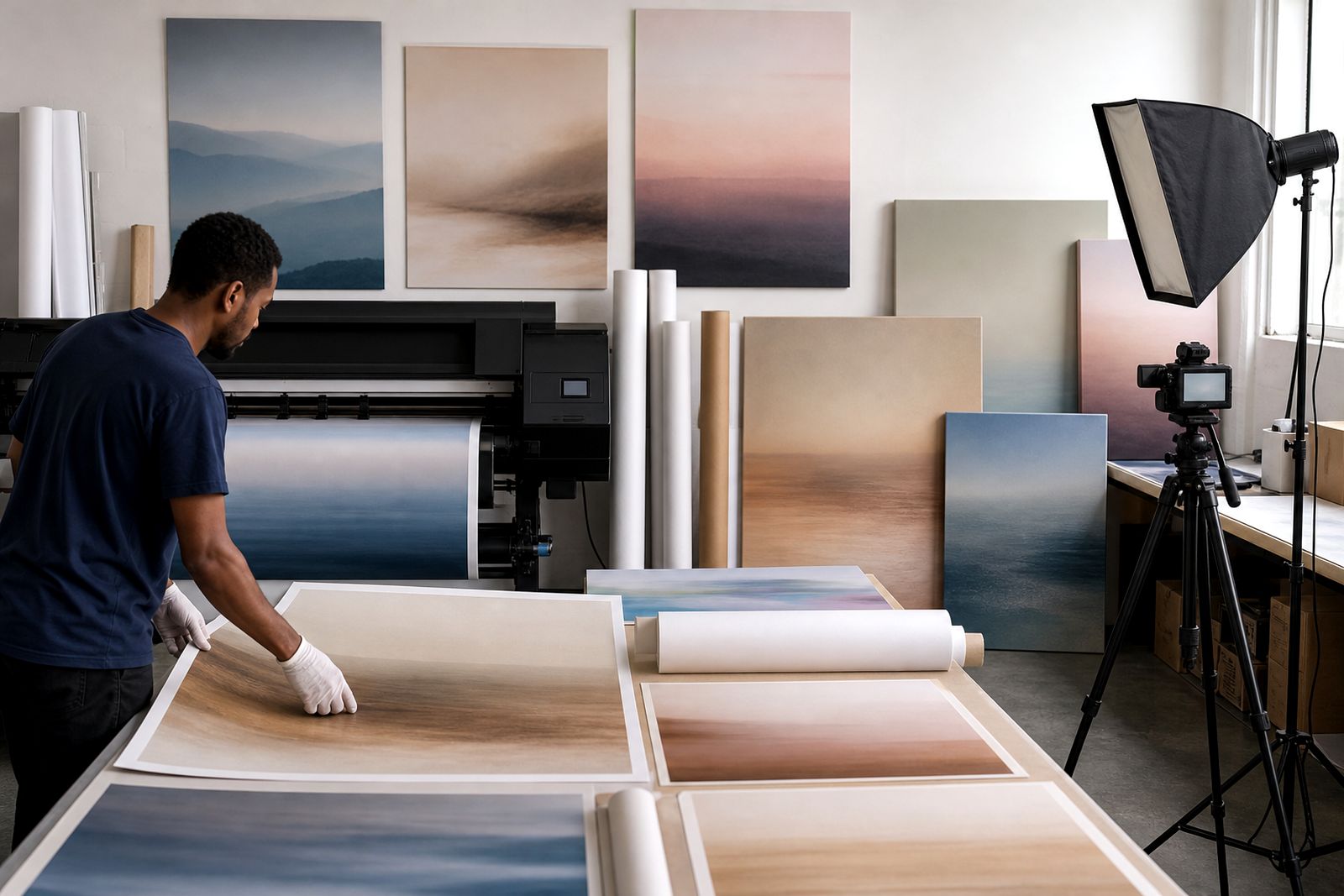
Print pack
Print pack combines artwork, image selection and production files for press-ready material used in campaigns, retail and packaging.
Read more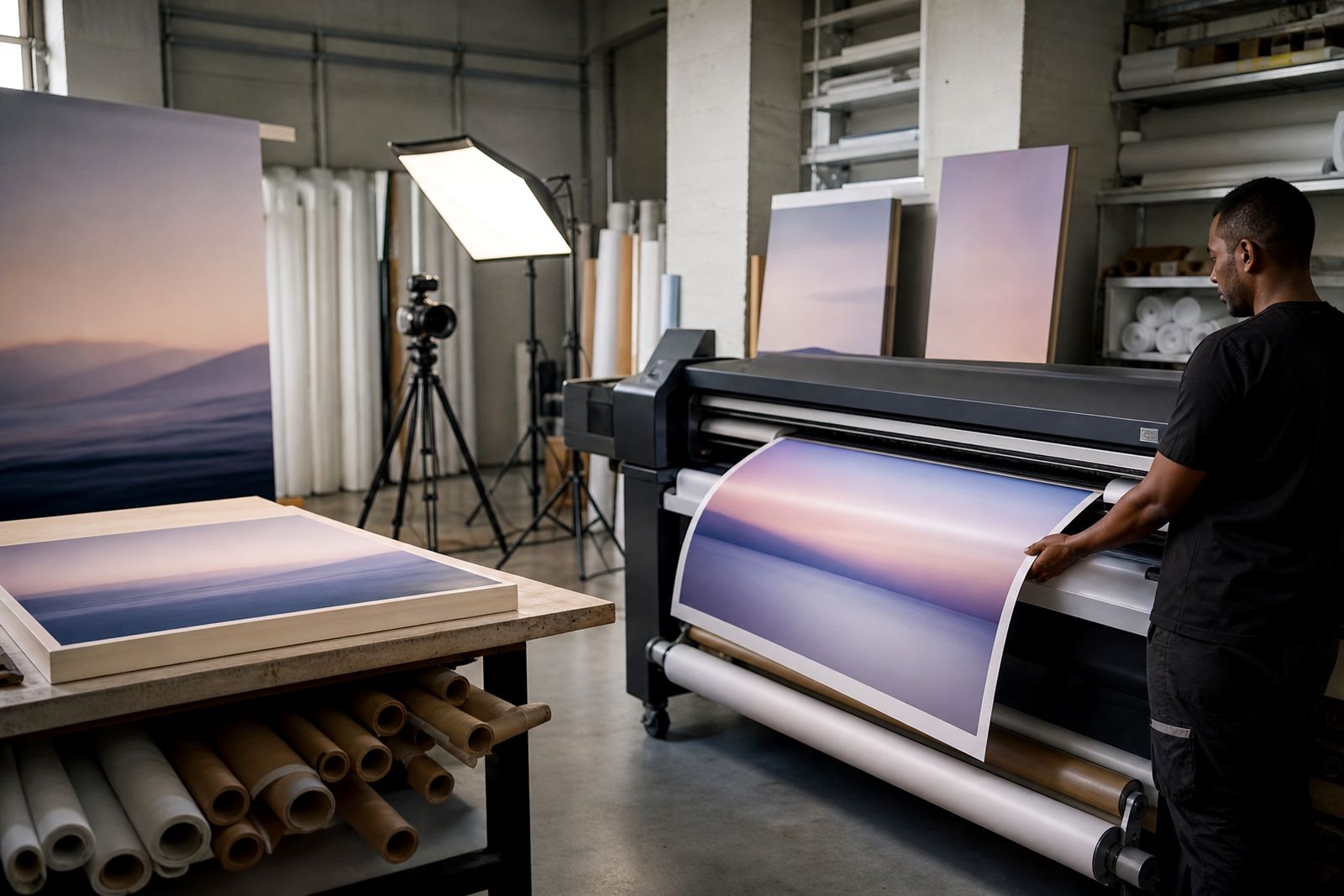
Retouch pass
Use retouch pass for image clean-up and finishing when product or campaign visuals need a more consistent final look.
Read moreWhat our Imaging and Print customers say
Verified Google reviews
Tell us about your image job
Send a note through our contact form with what the images are for, the print sizes or channels, the media and finish you have in mind, how many pieces and your area, and we will come back with practical options and a quote.
Open the contact form