
Material sign-off
A practical note on material checks for teams that need boards, paper and print stock signed off before output starts.

Material points checked before output
A practical note on material checks for teams that need boards, paper and print stock signed off before output starts.
A file can be correct and still suit the wrong material. On South African print jobs, issues usually start when vinyl, paper, board, or fabric is chosen without checking finish, exposure, and installation use. Material sign-off runs through the material questions worth answering before output starts.
Teams signing off media before print begins need clear answers on material choice. The material questions that matter on South African jobs range from rigid board for indoor displays to vinyl exposed to sun, dust, or coastal air. If this matches your current brief, name it in the contact form.
- Display location and fixing method noted
- Sample or swatch compared under the intended light
- Material code and print file linked together
- Approver name listed with brand or buying role
Match this note with the service pages tied to the stock you are approving. One page may cover mounting board, another may deal with vinyl output or photo-day display pieces. Used together, they keep the substrate decision linked to the finished item rather than treated as a separate admin step.
How material sign-off lands across Mimage print packs
Material sign-off is where material decisions are confirmed before printing starts. It helps teams sign off boards, paper and print stock against the job requirements, display method and finish expected on site.
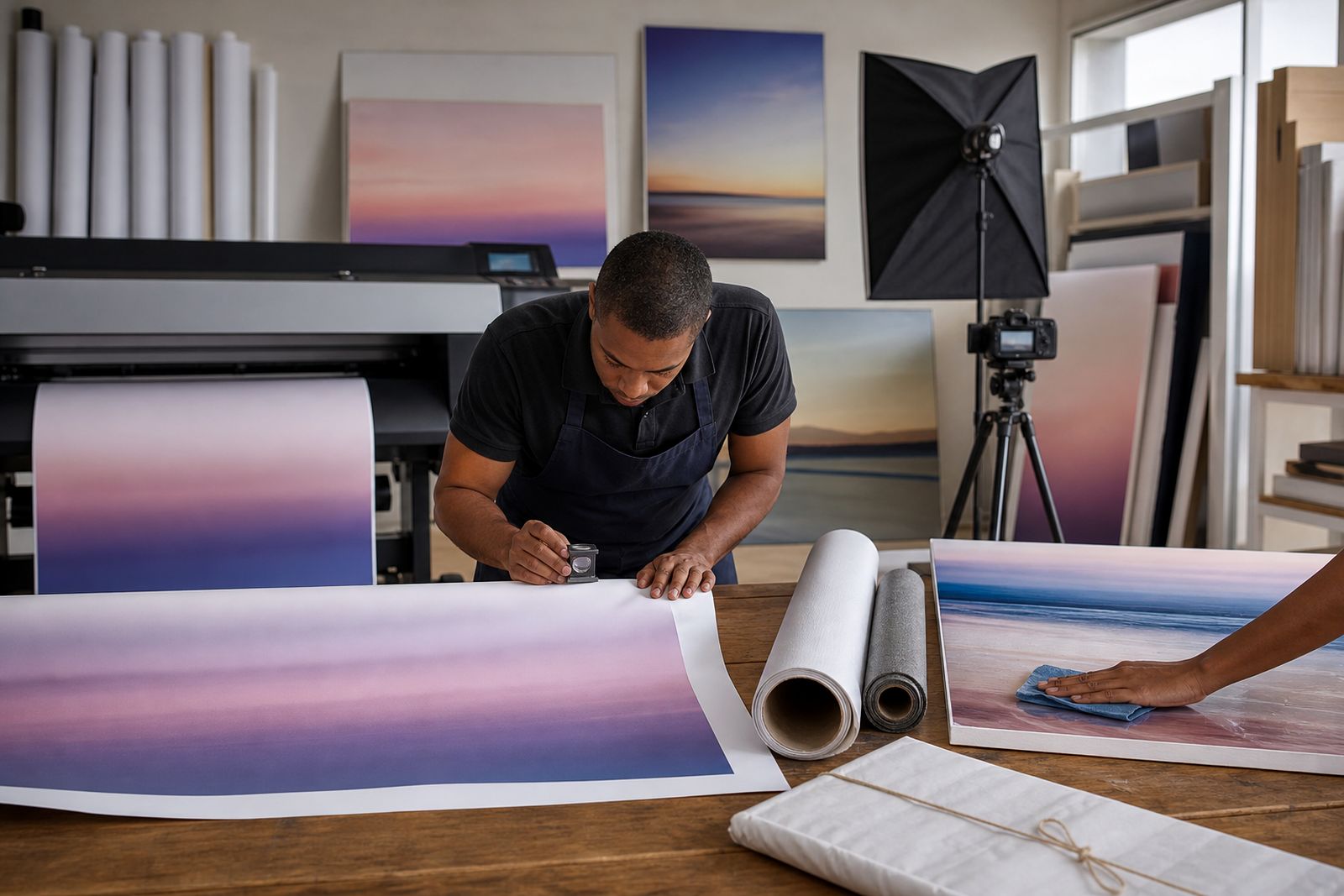
Begin with what the printed piece must do on site. A board for a mall promo, a paper insert for packs, and a vinyl applied to glass all need different checks for weight, surface, and durability. Johannesburg dust, Durban humidity, and Cape Town sun can each change how a substrate behaves after output.
The first physical reference matters more than a screen view. Keep a marked sample with the PO or job file so the selected stock, finish, and face direction stay visible to the team. That record helps when reprints are needed after handling damage, storage issues, or a late material swap.
Useful sign-off points after review
A proper material check leaves the team with clear stock choices, finish notes, and usage limits. It should state whether the job needs matte or gloss, rigid or flexible media, and whether mounting, lamination, or exposure changes the selection. Those details carry more weight than a file that only looks correct on screen.
Keep the material sign-off note next to the related frames and shoot notes when the job includes printed display elements. Before dispatch, review edges, face quality, and any mounting marks against the approved stock call. A photo or scan of the material sample helps us match it.
- Stock choice tied to actual display use
- Approved sample kept with the job record
- Named approval point for material sign-off
Conditions that change substrate choice
Material selection shifts once site conditions are clear. Indoor retail boards, event panels, window vinyl, and short-run paper inserts each react differently to transport, storage, and installation across Gauteng, KZN, and the Western Cape. A sheet that prints well in the workshop may still fail if the finish scratches easily or the board warps before hanging.
Coastal moisture can affect paper feel, adhesion, and flatness. Inland dust shows up fast on dark solids and can complicate finishing before photography or packing. Load-shedding also affects proof timing, so sample checks should happen early enough for material changes without rushing output.
Notes to gather for material approval
A practical note on material checks for teams that need boards, paper and print stock signed off before output starts.
Record the substrate decision while the sample is still in hand. Include the stock name, thickness or weight where relevant, intended finish, and where the piece will be used on site. That gives buyers and production teams a cleaner sign-off reference when the print pack moves into output.
What our Imaging and Print customers say
Verified Google reviews
Also worth a look
Tell us about your image job
Send a note through our contact form with what the images are for, the print sizes or channels, the media and finish you have in mind, how many pieces and your area, and we will come back with practical options and a quote.
Open the contact form