

Humidity and storage tips
A practical note on moisture and storage for teams keeping prints, paper stock and mounted work flat and clean.
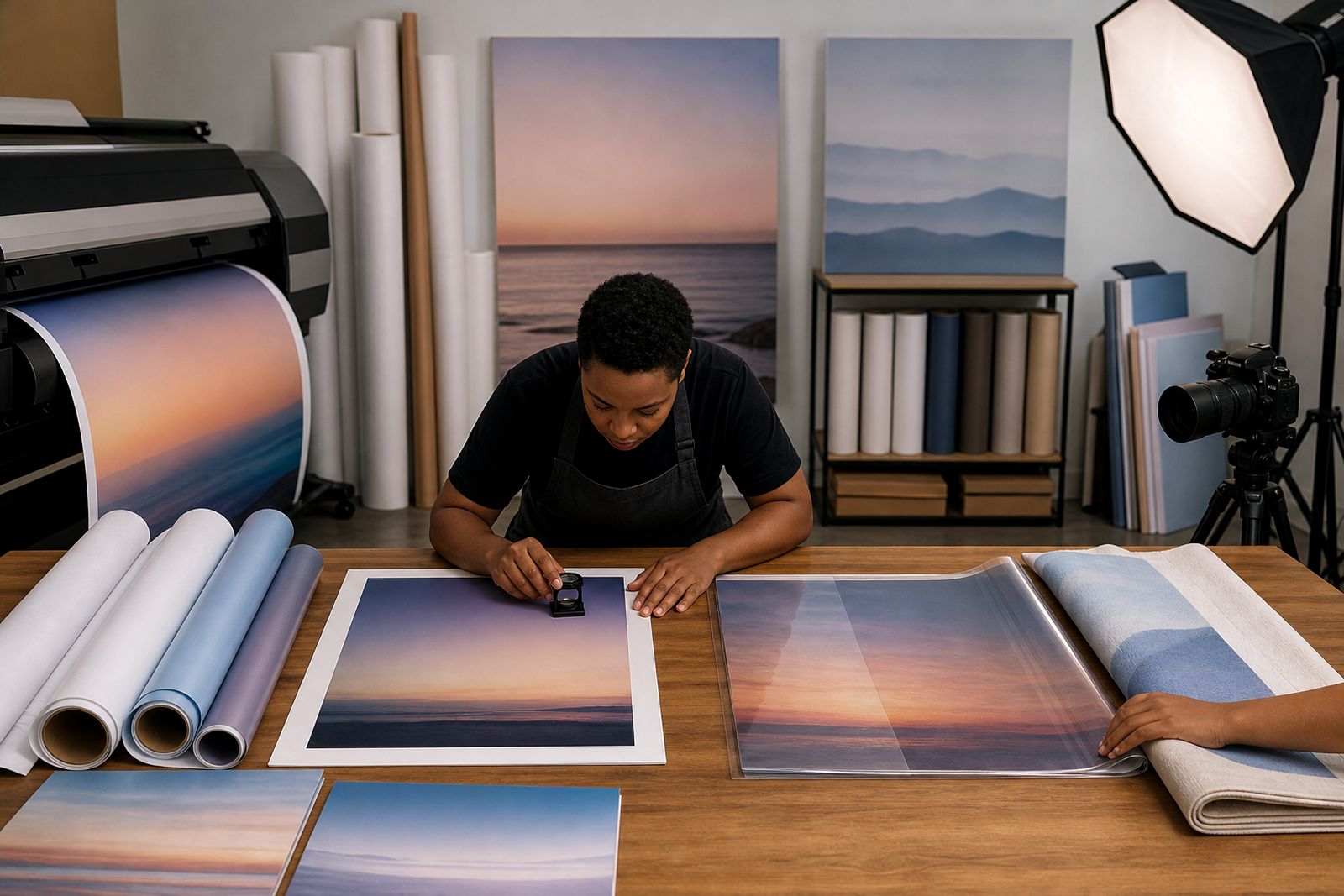
Moisture checks before packing
A practical note on moisture and storage for teams keeping prints, paper stock and mounted work flat and clean.
Moisture creeps into print work faster than most teams expect. On South African jobs it often shows up as curled stock, labels lifting, or photo prints that were packed before they cooled properly. Humidity and storage tips covers the checks that help print packs and visual kits leave the studio in better nick.
Humidity catches paper and prints at the packing stage, not only in storage. On South African jobs, common signs include waviness on gloss photos, adhesive labels lifting, and mounted boards bowing after a damp morning. When you mention this issue in the contact form, use humidity and storage tips so the moisture problem is easy to place.
- Stock temperature checked before wrapping
- One sample sheet kept aside for curl and edge lift checks
- Storage area noted if near windows or roller doors
- Packing note names the handler and dispatch point
Humidity guidance covers storage behaviour, packing order, and the small checks that stop marks and warping. Print, framing, and visual packs still need the right handling before handover to keep the finished item presentable.
How humidity tips protect print stock
Humidity and storage tips covers storage and handling where moisture can affect prints, paper stock and mounted work. It is useful when jobs need to stay flat, clean and presentable before dispatch or setup.
Start with the material itself, because cast vinyl, photo paper, foam board and card stock all react differently to moisture. Durban air, Cape Town winter damp and Highveld summer storms can each affect how flat a pack stays while waiting for collection. Teams handling jobs for Johannesburg, Durban and Cape Town usually get better results when prints cool fully before sleeving and stacking.
Keep a first sample visible before the rest of the batch is sealed. That one piece shows whether the surface has hazed, curled at the corners, or picked up marks from packing too soon. A short note with the stock and PO helps later when a reprint must match the original finish.
Useful outputs from this note
You get a storage and handling reference aimed at printed packs, mounted work and framed visuals. It helps teams check drying time, stack height, sleeve choice and where cartons wait before dispatch. Those details matter more than extra admin when material needs to arrive flat and clean.
Read the related print and frames pages when the job includes mounted pieces or photo sets. Before the courier collects, inspect edges, corners and protective sleeves for trapped moisture or transfer marks. Imaging work is planned from the finished size, the number of pieces and where each print will hang.
- Checks matched to paper, print, or board type
- Early sample reviewed for curl, tack and surface marks
- Handling notes kept with the dispatched job
Conditions affecting print stock
Humidity control is not the same in every dispatch environment. A job waiting near a loading bay in Crown Mines, a storeroom in Durban North, or a pickup point in Isando can each expose paper goods to different moisture swings. Keep daily repeat work separate from one-off urgent packs so storage decisions stay clear.
Coastal air can soften paper edges and affect how labels grip on packaged sets. Inland dust often means prints need a final wipe only after they have settled, otherwise fibres and marks get trapped under wrap. Load-shedding also changes timing because work may sit longer before trimming, mounting or sealing.
Notes for humid jobs
A practical note on moisture and storage for teams keeping prints, paper stock and mounted work flat and clean.
Record the room conditions when stock is opened, especially after rain, coastal delivery or overnight storage. Keep this note with the job sheet and source files so the team can trace curling, edge lift or surface marking back to handling and moisture exposure.
What our Imaging and Print customers say
Verified Google reviews
Also worth a look
Tell us about your image job
Send a note through our contact form with what the images are for, the print sizes or channels, the media and finish you have in mind, how many pieces and your area, and we will come back with practical options and a quote.
Open the contact form