

Spec card
Spec cards list product details, size, finish, use notes, and other checks for print packs and branded material.

How the spec card keeps output on brief
The spec card gives clear product details for each print pack item. It covers size, finish, use, and other notes that help teams order, check, and place branded material correctly.
A spec card should identify the item first, then record the exact size, stock, finish, and where it will be used. For South African print packs, that detail matters when material moves between Johannesburg, Durban, Cape Town, or a smaller branch that checks a physical sample before placing stock. Moisture, dust, transport handling, and power interruptions can all affect how a printed item is approved and packed.
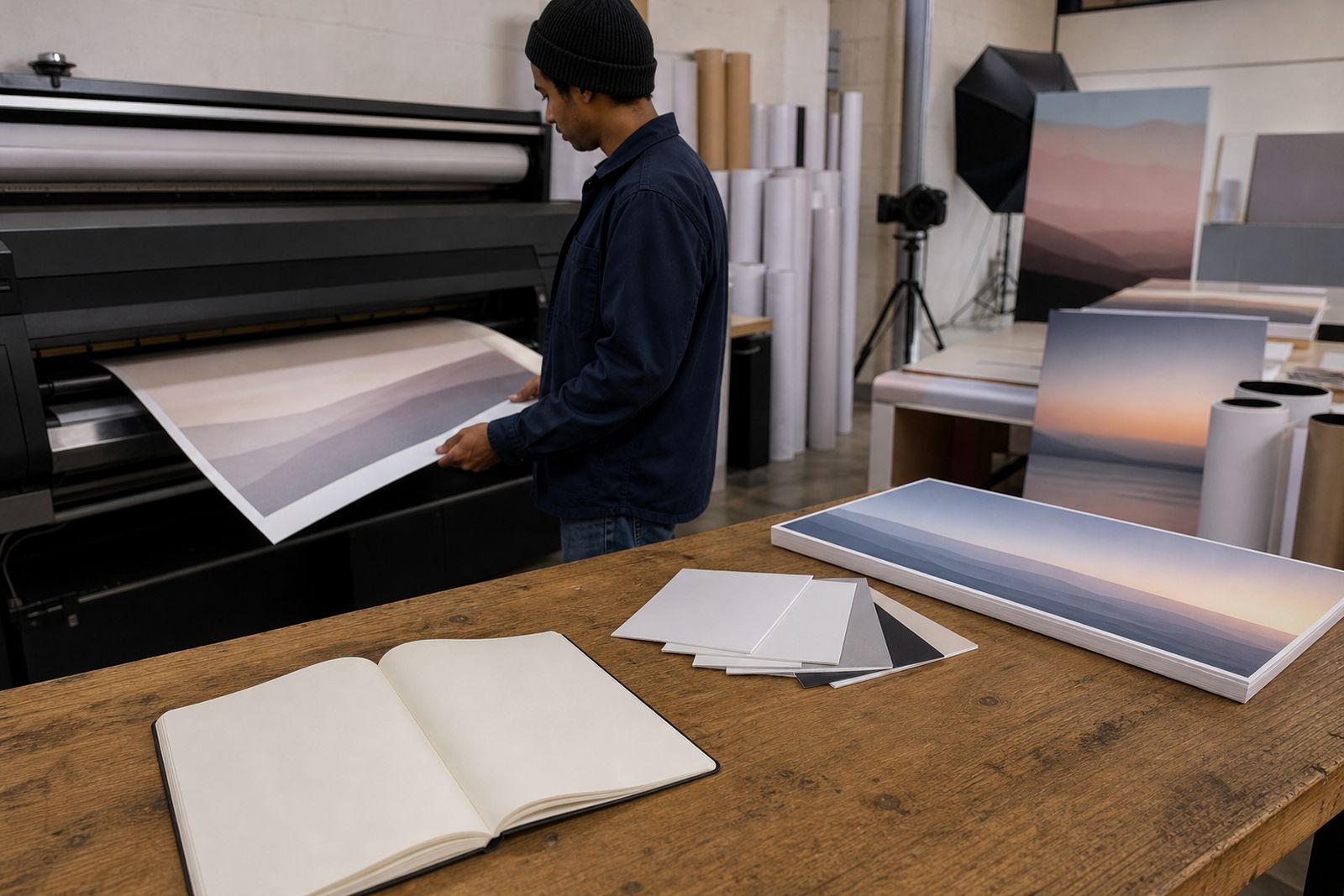
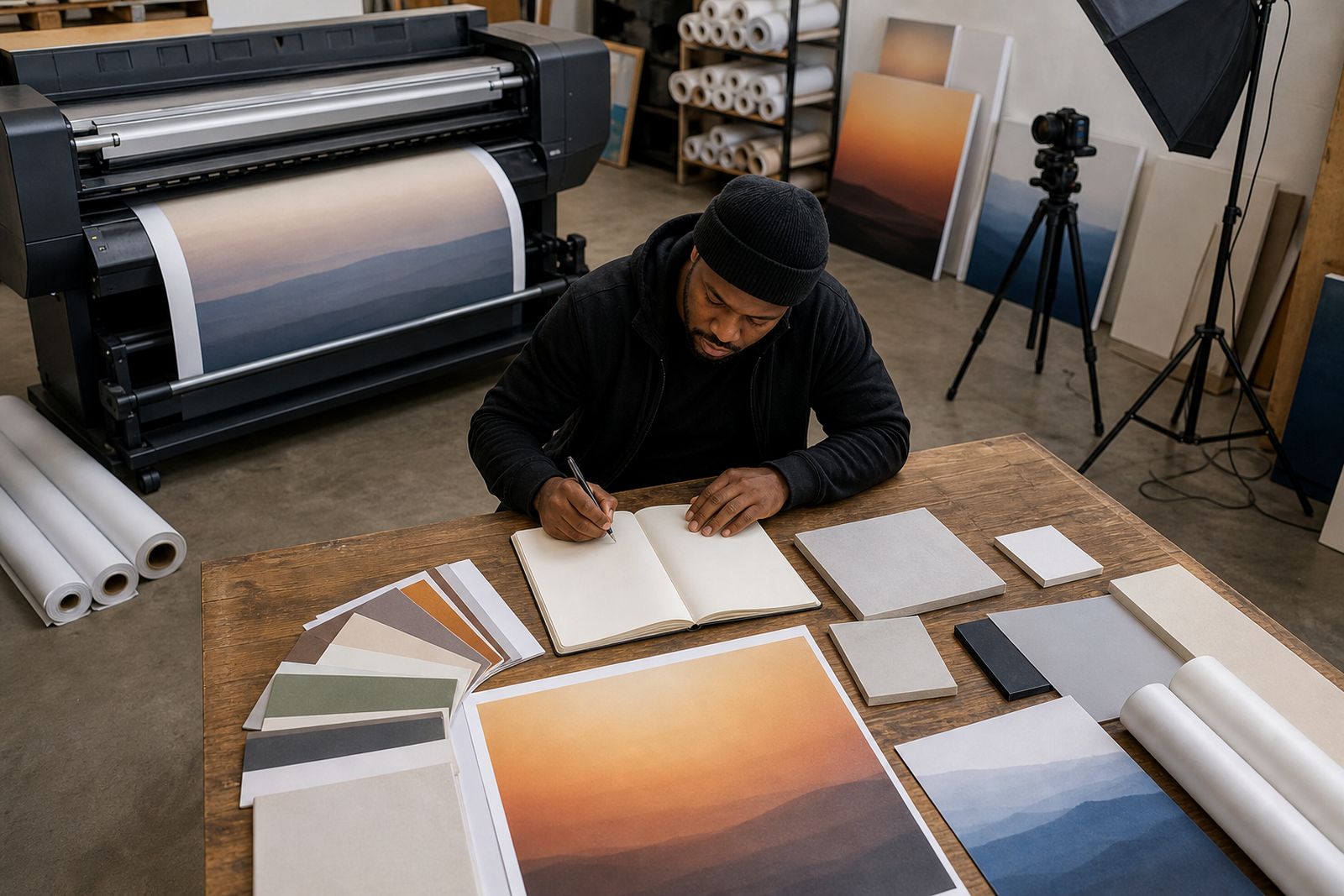
Include one reference image on the spec card so teams can match the written spec to the actual item. The card can sit with stock on shelf, with the PO, or inside the print pack for branch use. That small record helps when a reorder needs the same laminate, trim size, or mounting method as the last run.
Details captured on each card
The finished spec card gives buyers, printers, and store teams one place to check what must be made and how it should look. It can list item code, dimensions, material, colour notes, finishing method, and placement guidance. A clear card reduces mix-ups between similar POS pieces, shelf talkers, window prints, and counter items.
Link the spec card to the matching sample image set and any frame or display notes before more items are added to the pack. Check the latest measurements, visible colours, and finishing marks before the courier collection. Writing in?
- Exact sizes for each printed item
- Finish notes checked against sample output
- Usage notes for branch placement
Checks for SA roll-outs
Spec Cards are useful when one campaign must print consistently across multiple provinces and store formats. They help separate a Sandton mall installation from a coastal branch pack where humidity, storage, and handling may differ. If existing artwork codes, previous print specs, or supplier references are available, add them to the card so the next run starts from the right version.
Durban and Cape Town storage conditions can affect curl, adhesion, and how packed samples hold up in transit. Inland sites often need cleaner handling before photography or final approval because dust shows quickly on dark surfaces and gloss finishes. Load-shedding can also shift proofing and sign-off windows, so a printed sample remains useful when screens are not the only reference.
What to send with the card
Draft the spec card with sample photos, production timing, and any size, colour, or finish issues already found. Keep the subject line plain and specific.
Attach the spec card when the job needs approval, pricing, or a production check against existing material. That gives the buyer and production team a direct record of what the item should be before more units are printed.
What our Imaging and Print customers say
Verified Google reviews
Also worth a look


Tell us about your image job
Send a note through our contact form with what the images are for, the print sizes or channels, the media and finish you have in mind, how many pieces and your area, and we will come back with practical options and a quote.
Open the contact form