

Photo protocol
A useful guide to photo protocol for South African shoots, covering framing, naming, permissions, product views, and what must be captured on the day.
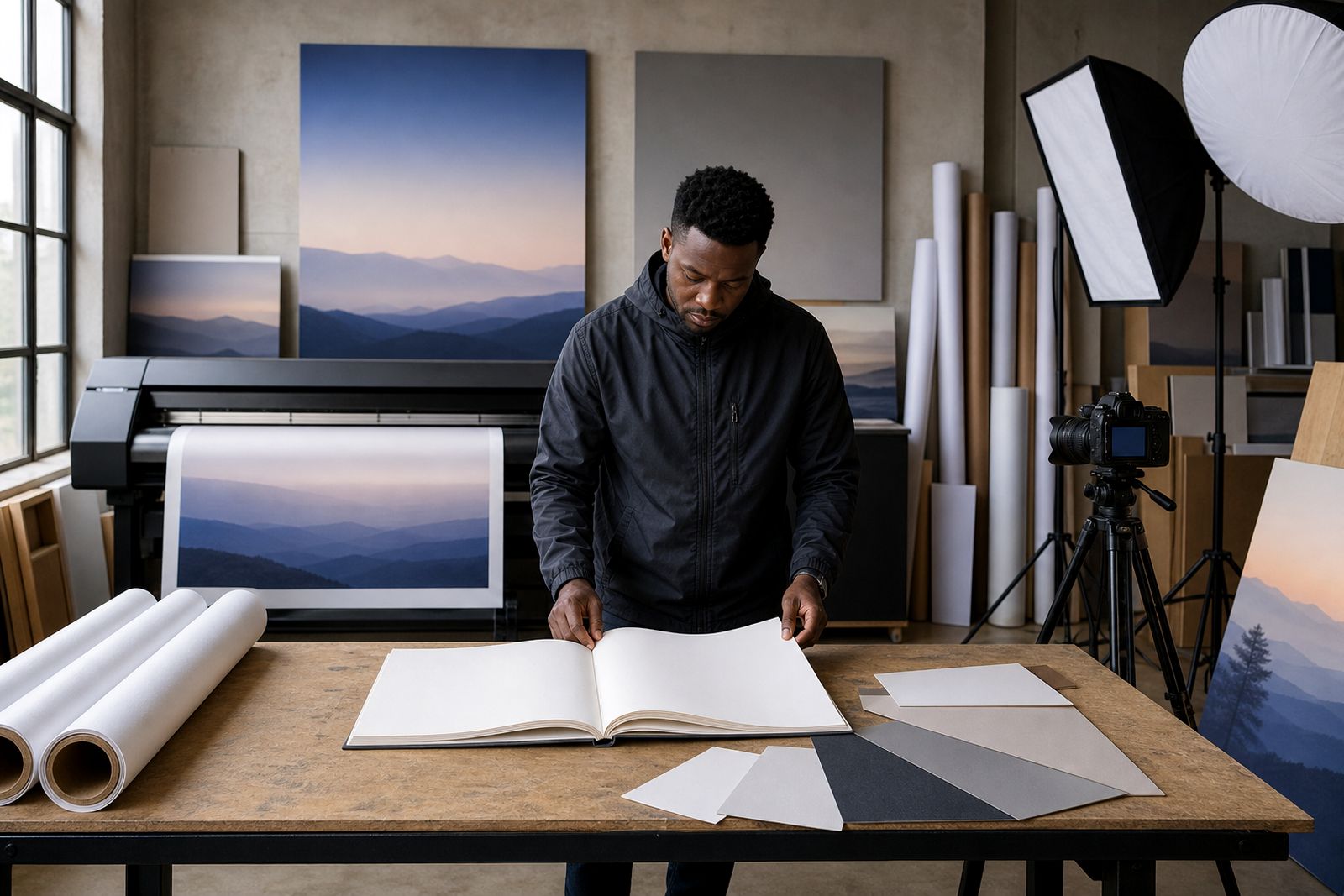
How photo protocol works on photo day
It explains what needs to be photographed, how files should be named, and which permissions must be in place. It covers framing, product views, and the key shots that must be captured on the day.
Begin with the shot list, the location, and who must sign off usage. On South African shoots, weather swings, generator noise, traffic delays, and shopping centre access times can affect what gets captured and when. A solid protocol keeps product views, staff portraits, and site images consistent from Johannesburg to Cape Town and Durban.
Take an opening reference image before the main set starts. That first frame helps everyone match angle, crop, background, and lighting if the shoot carries over to another day or another branch. Keep the note with the files so the correct version is easy to identify later.
Mandatory shots on set
A proper photo protocol spells out hero images, detail views, wide context shots, and any proof images needed for print or approval. File names should match the brand, product, campaign, or site naming structure used by your team. Clear capture rules reduce confusion when images move from shoot day into retouching, print packs, or visual kits.
Record any access limits, loading times, and lighting issues before cameras come out. Include permission status, contact names on site, and whether branding, packaging, or installed visuals must be photographed front-on or in context. A quick shot of the setup lets us plan camera angles before the shoot.
- Named angles for every required product
- Reference frame captured before changes begin
- Permissions checked before people are photographed
Checks for South African shoot days
Plan around mall rules, school access, warehouse operations, and regional travel time when setting a protocol. If the job includes staff, learners, customers, or minors, list the required permissions before the day starts. Existing brand libraries, packaging references, and print specifications should be noted so new images match what is already in use.
Along the coast, print samples and display items need dry storage before photography. On inland shoots, dust settles quickly on products, shelving, and acrylic surfaces, so a final wipe matters just before each frame. During power cuts, battery levels, backup lights, and charging plans affect what can be captured and reviewed on site.
Photo day points
Set out the photo protocol with site photos, call times, and any lighting or access issues already noted. Keep the subject line plain and specific.
Write down the final shot order, naming format, and approval contact before the crew begins. Keep that record with permissions, site notes, and source files so the image set can be traced if a buyer, printer, or brand manager asks for confirmation later.
What our Imaging and Print customers say
Verified Google reviews
Also worth a look

Tell us about your image job
Send a note through our contact form with what the images are for, the print sizes or channels, the media and finish you have in mind, how many pieces and your area, and we will come back with practical options and a quote.
Open the contact form