

Packshot kit specs
Packshot kit specs define what gets photographed, how files are supplied and what product-image setup is needed.
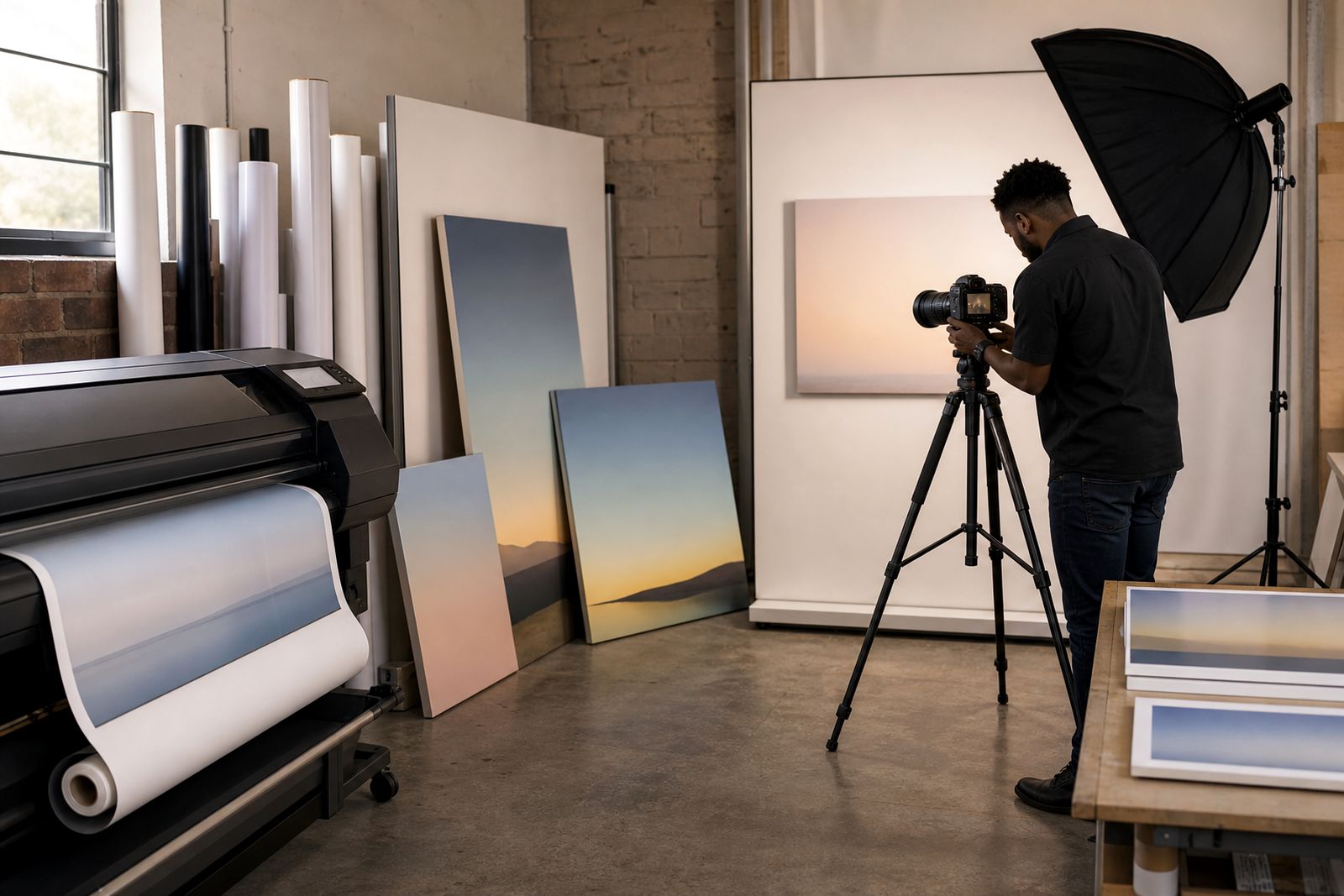
Packshot capture and file specs
The packshot kit covers what is photographed and how files are supplied. Marketing and production teams get a clear base for product-image planning.
The packshot kit working spec covers product shoots for retail, catalogues, listings, and internal approvals. It includes the shot list, background treatment, crop style, and the file outputs marketing teams usually need. South African trading conditions matter here, especially when products arrive with dusty outers, heat-softened labels, or mixed batch packing from different depots.
A control image should be taken before the main run starts. That first frame records orientation, cap position, label facing, and any props or stands used for support. Keep the reference with the stock record or job brief so the same setup can be repeated when a line extension or reprint is requested later.
Included views and outputs
A standard packshot kit normally names the required angles, background colour, retouching level, and file delivery format. Teams can use it to brief a single hero image, front and back views, detail crops, or a full SKU family with matched framing. The value of the spec is consistency across online listings, print packs, and campaign artwork.
Before expanding the shot count, match this spec to the product range and the intended use across print and digital channels. Check naming, colour profile, edge cut requirements, and pixel dimensions against the final visual kit. Imaging work is planned from the finished size, the number of pieces and where each print will hang.
- Front, reverse, side, and detail frames
- Reference shot approved before full capture
- File names tied to each SKU
Checks for South African product handling
Products sent from Johannesburg, Durban, or Cape Town often arrive with different outer cartons, sticker placement, or shelf labels applied by separate teams. The spec should state whether those retail stickers stay on, come off, or are photographed as supplied. Note any bilingual packaging, importer labels, or mandatory marks that must remain visible in the final image set.
Humidity near the coast can affect folded cartons, adhesive labels, and reflective pouches during setup. Inland dust shows quickly on dark packs and gloss lids, so wipe-down checks need to happen before every sequence. Where load-shedding affects the studio schedule, keep approved lighting settings and exposure notes with the job so the look remains consistent across sessions.
Information needed in the brief
Send the SKU list, pack sizes, barcode side, and the channels where the images will be used. Include any non-negotiable brand rules such as white background only, shadow preference, cap alignment, or minimum empty space around the product. Mention damaged samples early so replacement stock can be considered before photography begins.
Record final decisions while the product is still on hand. Save the approved sample image, crop example, and file naming pattern with the job documents so buyers, designers, and production staff are all working from the same reference.
What our Imaging and Print customers say
Verified Google reviews
Also worth a look

Tell us about your image job
Send a note through our contact form with what the images are for, the print sizes or channels, the media and finish you have in mind, how many pieces and your area, and we will come back with practical options and a quote.
Open the contact form