

Laminate pack specs
Laminate pack specs explain finish type, thickness, application and substrate needs for protected print work.
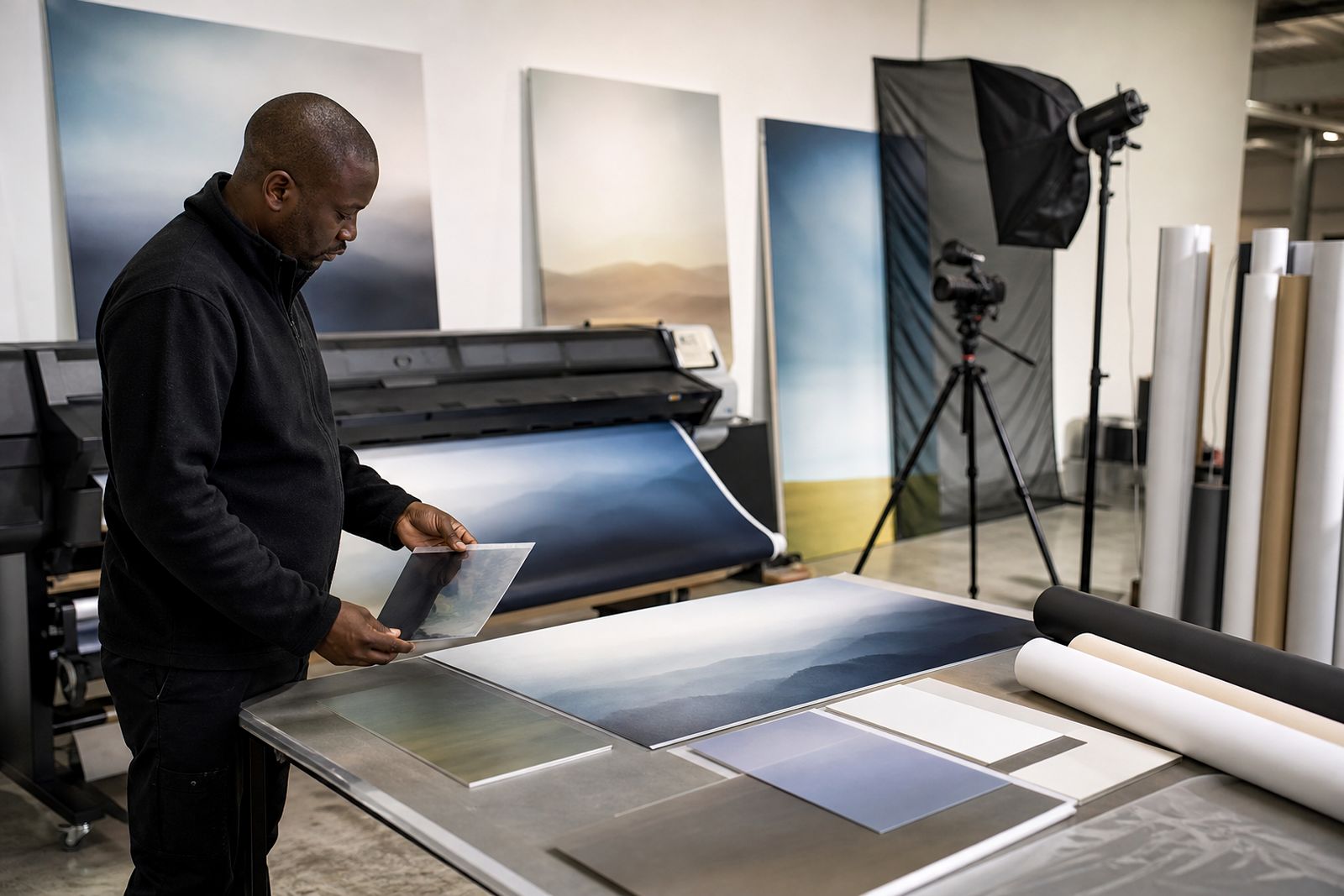
Laminate film and stock combinations
Laminate pack specs explains the laminate options and build details for protected print work. Use it to check finish type, thickness, application and any matching substrate requirements.
Laminate pack specs sets out which film is paired with each printed piece, including gloss, matt, soft touch and anti-scuff options. It also records board weight, face stock and whether the job is single-sided or laminated on both sides. For South African retail and hospitality use, these choices matter when items are handled often, cleaned regularly or packed for branch distribution.
Check the first sample against the approved artwork before the full run starts. Silvering, edge lift and trapped dust are easier to catch on one sheet than on a packed carton. Keep the spec sheet with the PO and sample so reprints match the original build.
What the spec sheet covers
Confirm finish type, film thickness and how the laminate must sit on the print. It also notes trim allowance, corner treatment and any mounting requirement where the printed item is applied to rigid material. A clear spec helps when the same visual set must be produced for more than one branch or campaign wave.
Use the sheet alongside the matching print notes and substrate references before sending work to production. Final checks should include curl, surface scratches and bond strength on the edges, especially for pieces going out by courier or into humid coastal conditions. With a laminate pack, a photo of your current sample shows us the finish to match.
- Finish selected for handling frequency
- Film thickness checked against stock weight
Checks for South African conditions
Durban humidity, Cape Town sea air and Highveld dust can all affect laminated print in storage and on site. Specs should state where the pack will be used, whether pieces travel flat or rolled, and if they sit near heat or direct sun. That information helps prevent tunnelling, edge peel and surface marking during rollout.
Power cuts can interrupt finishing equipment, so batch identification and approval timing should be logged properly. Mall installation windows and warehouse receiving rules also influence how packs are labelled and packed. For national campaigns, note if all regions must match one master sample.
Brief details to include
Send size, quantity, use case and any previous failure such as bubbling, cracking or cloudy film. Add photos where the print is displayed, plus the required finish if the brand guide calls for matt or gloss. Mention whether writing on the surface is needed, as that affects laminate choice.
Record the approved sample number, print date and substrate on the same sheet. File it with the artwork and job note so buyers, printers and installers are all working from one build reference. That reduces mix-ups when replacement sets are ordered later.
What our Imaging and Print customers say
Verified Google reviews
Also worth a look



Tell us about your image job
Send a note through our contact form with what the images are for, the print sizes or channels, the media and finish you have in mind, how many pieces and your area, and we will come back with practical options and a quote.
Open the contact form