

Highveld pack specs
Highveld pack covers the edge cases that show up after the first calm week.
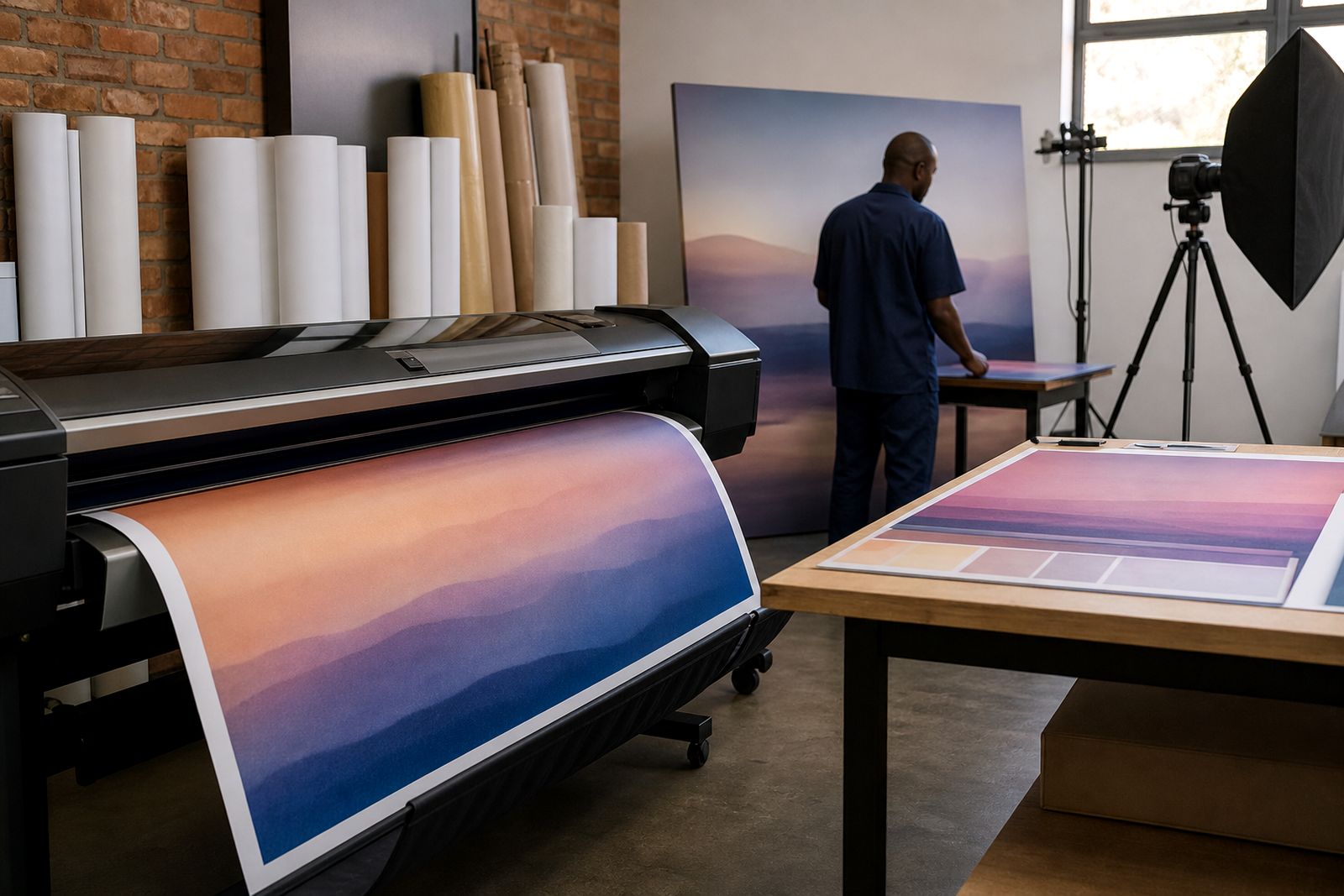
Shaping delivery
Print and material choices for Highveld use need to suit dry, dusty conditions. Confirm stock, finishing and protection before sending work to Highveld sites.
List the item mix, branch count, and destination before sign-off. These pack specs are set up for inland distribution where dust, bright sun, and frequent handling can mark printed surfaces quickly. For Gauteng and other dry interior sites, stock weight, lamination, and carton labelling matter as much as the artwork.
Start with one approved sample and one reference image under normal indoor light. That record gives the printer and installer a fixed point for colour, trim, and finish when packs are split across several branches. It also helps when replacement units are ordered later for the same campaign.
Inland print and stock details
The buyer should have exact material choices, finish notes, and packing instructions for Highveld use. Include sheet size, substrate, protection on exposed faces, and how each item is bundled for transport. Clear production notes reduce confusion between the artwork stage and branch delivery.
Check these specs against the live item list before release to print. Confirm whether each visual needs matt or gloss protection, whether edges will be visible on site, and how cartons should be marked for multi-branch dispatch.
- Dust-tolerant print finishes for inland rollout
- Reference sample kept with final spec sheet
- Carton marks matched to branch lists
Highveld site conditions to account for
Interior rollouts often involve repeated handling between print room, warehouse, courier hub, and store back area. These specs should therefore note scuff resistance, face protection, and where rigid boards need corner guards. Include Johannesburg dispatch details where jobs move through East Rand freight or regional linehaul to inland towns.
Dry air and dust change how printed pieces look after unpacking, especially dark solids and uncoated stock. Window light in malls and roadside sites can also show glare, so finish choice should be written down early. Where load-shedding affects proofing or packing windows, record the approved version and date on the job file.
Figures to lock before production
Use this pack for inland campaigns that need consistent print items, branded visuals, and rollout material for multiple branches.
Capture final quantities, visible sizes, bleed, substrate thickness, and pack count on the same sheet. Add branch splits, courier labels, and any notes about indoor versus window-facing placement. These specs work best when the print room, installer, and client all read the same numbers.
What our Imaging and Print customers say
Verified Google reviews
Also worth a look
Tell us about your image job
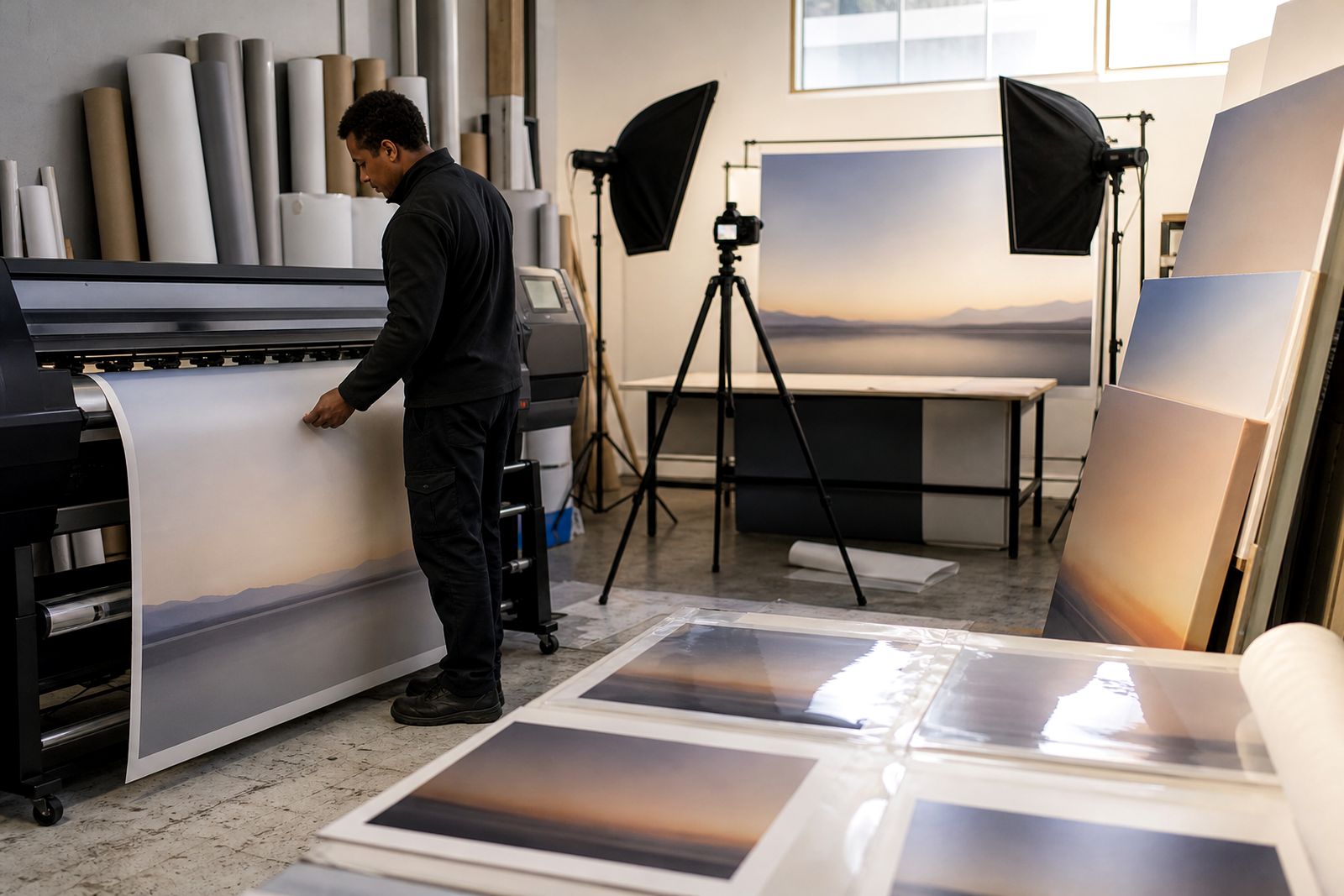
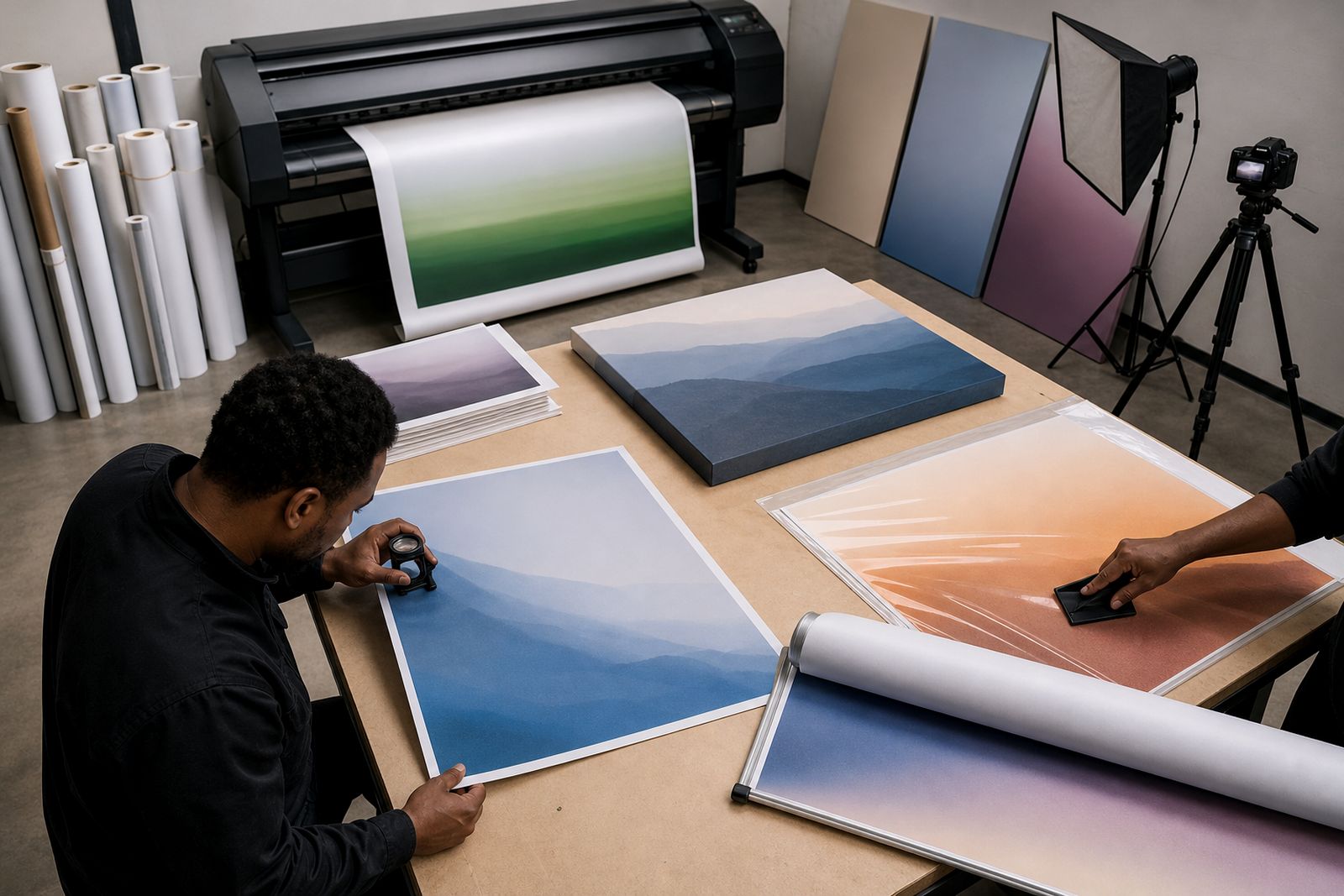
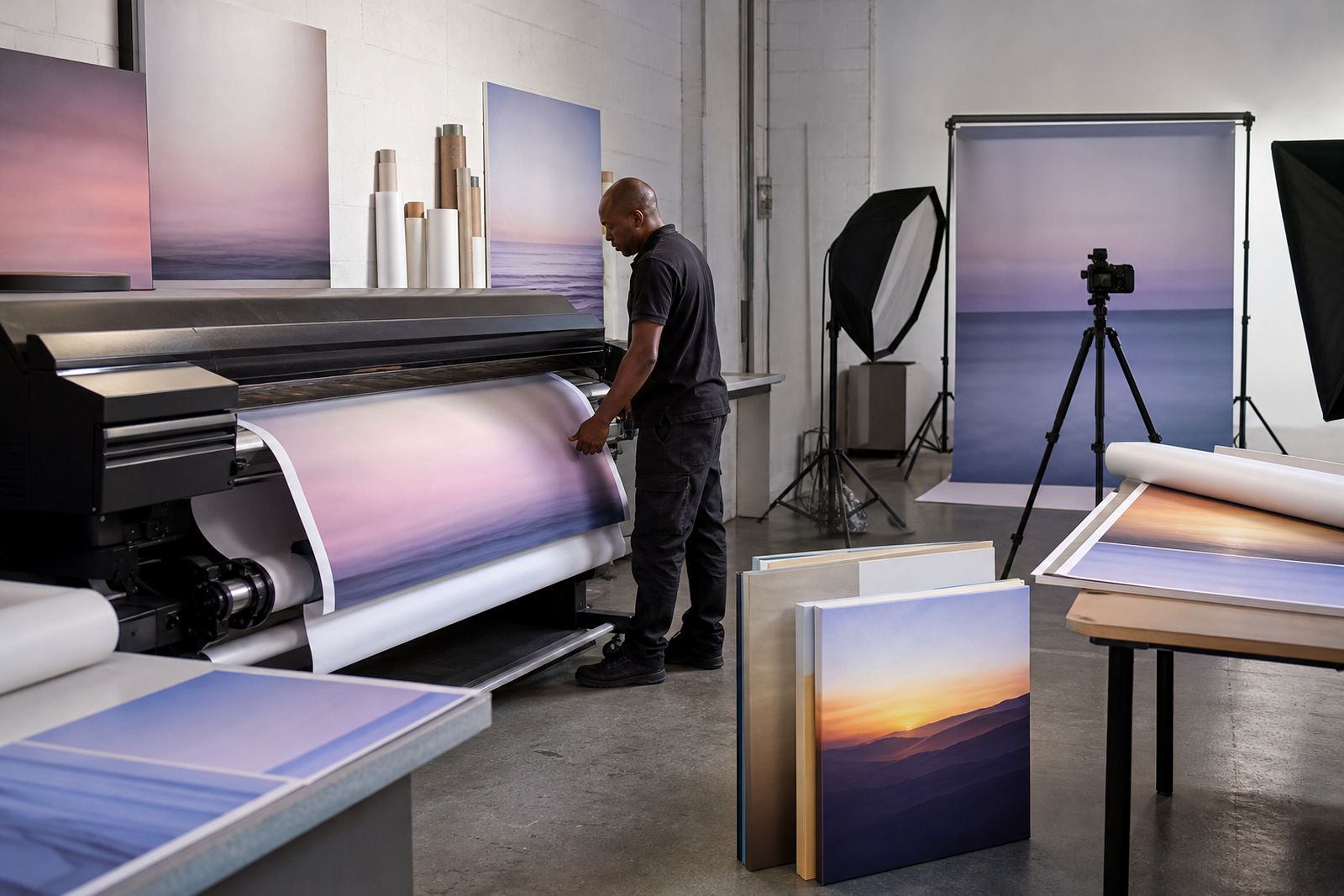
Send a note through our contact form with what the images are for, the print sizes or channels, the media and finish you have in mind, how many pieces and your area, and we will come back with practical options and a quote.
Open the contact form